Older homes offer character, craftsmanship, and architectural details that many newer properties cannot replicate. However, behind their charm often lies an aging plumbing system that can cause a variety of hidden issues. From recurring leaks and low water pressure to slow drains and unusual pipe noises, older plumbing components frequently create problems that homeowners may overlook until significant damage occurs.
A professional Plumber in NYC often encounters these challenges in historic and aging properties throughout the city. Understanding the most common plumbing problems in older homes can help homeowners prevent costly repairs, protect their property’s value, and maintain a safe and comfortable living environment. Whether you currently own an older home or are considering purchasing one, recognizing potential plumbing concerns early can help you make informed decisions and avoid expensive surprises in the future.
Aging Pipes Cause Most Plumbing Issues in Older Homes
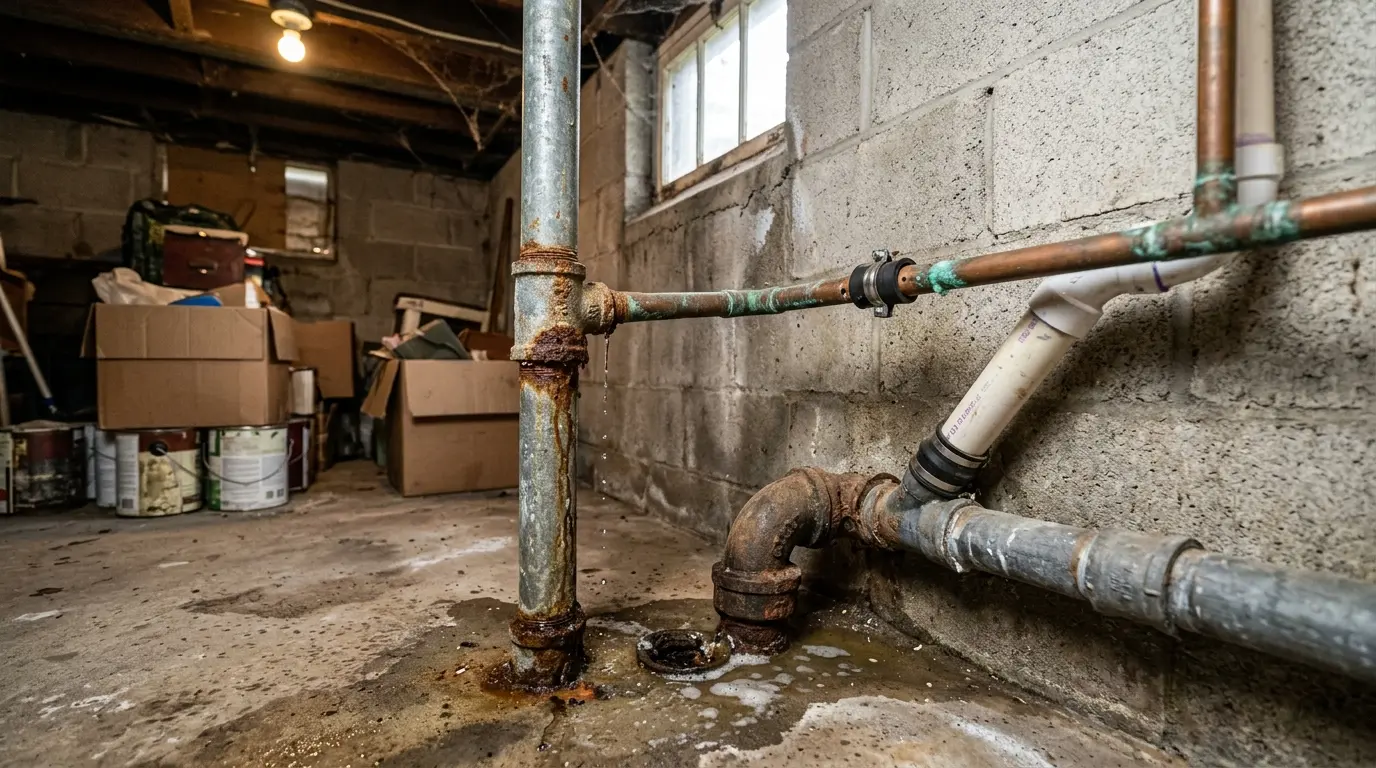
The plumbing system acts like the circulatory system of a house. As pipes age, they gradually weaken and lose efficiency. Many older homes still contain outdated piping materials that no longer meet modern standards. Galvanized steel, cast iron, lead, and polybutylene pipes often create serious long-term concerns.
Galvanized steel pipes frequently develop internal corrosion. Rust builds up inside the pipes and restricts water flow over time. Homeowners usually notice weak water pressure first. Eventually, corrosion leads to leaks, pipe bursts, and discolored water.
Cast iron drain lines also create major challenges in older properties. Although cast iron lasts for decades, moisture and waste slowly corrode the interior walls. Cracks, leaks, and recurring drain clogs become common once the material begins to deteriorate.
Lead pipes remain one of the biggest concerns in historic homes. Older plumbing systems sometimes used lead service lines because builders valued their flexibility and durability. Today, homeowners understand the serious health risks associated with lead contamination in drinking water.
Many older homes also contain mixed piping systems due to multiple repairs over the years. Inconsistent materials often create pressure imbalances and connection failures. A professional plumbing inspection usually reveals hidden weaknesses before they create severe damage.
Also Read: What to Do During a Plumbing Emergency in NYC?
Low Water Pressure Often Signals Hidden Plumbing Problems
Low water pressure frustrates homeowners daily. Showers feel weak, faucets take longer to fill sinks, and appliances operate inefficiently. In older homes, low pressure rarely results from one isolated issue. Aging plumbing systems usually create several contributing factors.
Mineral buildup inside pipes ranks among the most common causes. Hard water deposits gradually narrow the interior diameter of older pipes. Water struggles to move efficiently through restricted passages. Even small accumulations significantly reduce flow rates over time.
Hidden leaks also contribute to pressure loss. Small cracks behind walls or beneath floors allow water to escape before it reaches fixtures. Many homeowners ignore low pressure until visible water damage appears.
Outdated plumbing layouts may also affect pressure distribution. Older homes often lack the plumbing design standards used in modern construction. Long pipe runs, undersized supply lines, and inconsistent pipe diameters all reduce overall system performance.
Pressure problems sometimes indicate severe corrosion inside aging pipes. Rust particles collect along pipe walls and create rough surfaces that interrupt smooth water flow. In these cases, pipe replacement often becomes the most cost-effective long-term solution.
Leaky Pipes and Fixtures Increase Water Damage Risks
Leaks rarely stay small for long. Even minor drips can damage drywall, flooring, insulation, cabinetry, and structural framing. Older homes face a higher risk because aging materials naturally weaken over time.
Pipe joints often fail first. Decades of temperature fluctuations, moisture exposure, and shifting foundations place constant stress on plumbing connections. Small gaps develop around fittings and gradually expand.
Older faucet fixtures also wear out internally. Rubber washers, seals, and cartridges deteriorate after years of daily use. Homeowners may ignore slow drips, but continuous leaks waste significant amounts of water each month.
Hidden pipe leaks create even greater concerns. Water behind walls encourages mold growth and wood rot. Some homeowners only discover the problem after noticing warped floors, peeling paint, or musty odors.
Seasonal temperature changes make older pipes even more vulnerable. During winter, weakened pipes can crack when freezing temperatures cause water expansion. Older plumbing systems typically lack the insulation and flexibility found in newer installations.
Routine inspections help homeowners identify early warning signs before leaks escalate into costly repairs. Addressing minor plumbing issues quickly often prevents thousands of dollars in structural damage.
Sewer Line Problems Frequently Affect Older Properties
Many older homes struggle with sewer line issues because underground pipes deteriorate with age. Tree roots, shifting soil, corrosion, and years of buildup all contribute to sewer line damage.
Tree root intrusion remains one of the biggest problems. Roots naturally seek moisture and often penetrate tiny cracks in aging sewer pipes. Once inside, roots expand rapidly and block wastewater flow. Homeowners usually notice slow drains, gurgling toilets, or foul odors first.
Clay sewer pipes create additional concerns in older neighborhoods. Builders commonly used clay materials decades ago, but these pipes crack easily under pressure from soil movement and root growth.
Bellied sewer lines also affect many aging homes. Over time, sections of underground pipes begin to sag due to soil settling. Wastewater collects in low spots and creates recurring clogs.
Corroded cast iron sewer lines can eventually collapse completely. Rust weakens the pipe structure and creates rough surfaces where debris accumulates. Frequent backups often signal advanced deterioration.
Professional sewer camera inspections allow plumbers in NYC to identify underground issues accurately. Early detection helps homeowners avoid emergency sewer failures and extensive excavation costs.
Read More: Hydro Jetting vs Snaking: NYC Drain Cleaning Methods
Contact Unclog NYC for Reliable Plumbing Solutions
Older homes deserve expert plumbing care from professionals who understand the challenges of aging systems. Whether you face leaking pipes, sewer line issues, recurring clogs, low water pressure, or outdated plumbing fixtures, Unclog NYC delivers reliable solutions tailored to your property’s needs.
Our experienced team at Unclog NYC provides professional inspections, drain cleaning, leak repairs, sewer services, and complete plumbing upgrades for older homes across New York City. They focus on long-term results, honest service, and fast response times that help homeowners protect their investment with confidence.
If your older home shows signs of plumbing trouble, contact us today and keep your plumbing system running safely and efficiently for years to come.